


Human beings have waged war since the beginnings of recorded history, and here we are in yet another round of armed conflict. Forty days of missile and rocket fire all over the country. Night after night of sleep interrupted by alarms that send me and my neighbors downstairs and upstairs, to and from the shelter in the building's basement. Until there comes a precarious ceasefire.
The place where I live — Israel — is captive in loops of escalating violence with its neighbors to the north, east and south. Its people suffer layers upon layers of trauma born of loss and detriment, fear and terror, bigotry and animosity, greed for power and territory, and the confusion of victimhood and arrogance. Those who survive war carry in their hearts unhealed scars. Many minds are poisoned by a belief in the use of force to overcome existential threats. On all sides, countless individuals suffer bereavement, injury, displacement and destitution, bearing the terrible consequences of narcissistic, megalomaniac leaderships and collective selves. Sorrow and sadness arise in face of the tragic human folly.
The current cycle of fighting came eight months after the previous clash was declared a victory 'for generations'. 'Roaring Lion' was the valiant name given it. In the Mahayana tradition, the metaphor of the lion's roar means something different. Chogyam Trungpa Rinpoche understood it as the practice of fearlessness along the way of the practitioner to make the world a better place. Which echoes Gotama's last words, 'Be an island unto yourself; tread the path with care.'
Weeks of explosive violence, volatile insecurity, and radical uncertainty. At first, life stood still; it was a shock to the system. The streets were quiet, schools closed, air traffic ground to a halt. The body trembled whenever an alert sounded, triggered by a gut survival instinct. After a few days, in between the missiles, life somehow resumed with all due vigilance and apprehension. It was relentless, intense and grueling. The stress was nerve-wracking, while the fighting continued with no end in sight, no knowing what will be.
I lost count of the missiles and days. The early warning alerts came at all hours, sporadic and unpredictable. Each took twenty-minute chunks out of time. If an alarm followed, not always the case, it would sound up to eight minutes afterwards. Then there was a minute and a half to reach shelter, where we waited for the booms of interceptions or hits which did not always arrive, from afar or closer to home,. The all-clear came after another twelve minutes. One day we had ten alerts between seven a.m. and five p.m.

Amidst the insanity, the body adapts and no longer resonates with trepidation at the sound of a siren. I establish a routine of sorts. I walk the dog three times a day along regular routes. Around noon I go out to a neighborhood café, where I sip a cup of coffee and write a journal. Mindfully, I prepare and eat wholesome meals, wash up the dishes, clean the sink and keep the flat tidy and neat. I avoid watching television. To keep up with the news I listen to the radio in the morning, and all through the rest of the day I read credible online sources and mail or apps messages from friends. In the evenings I attend zoom meetings with panels of experts who throw light on the complex forces at play, or with dharma friends who lead meditations and share insights about coping with what is going on.
Nothing to do except be present in the moment. While waiting for an alarm or an all-clear, I breathe in and out. Walking, I am mindful of the movement of the torso and limbs. Lying in bed at night, I relax the body and bring caring attention to my mood, feelings and thoughts. In case of an alert, I wait for an alarm before getting up, putting on a warm sweater and slippers and leashing the dog to go down to shelter. She's a hit with the neighbors, evoking love; they adore her and she basks in their petting.
I get to know them. Some seem to be consumed with dread and anxiety. Some are proud to be racist. Otherwise they are friendly and good-hearted. I listen to their conversations and contribute small pleasantries. I feel compassion for their miserable ignorance, and appreciate their kind and considerate concern for each other, and that they welcome strangers passing by into our safe space. This is not always so. Once, I was out, an alarm sounded and the shelter in the closest building was inaccessible because its residents had locked the front door. Someone called the police.
As the war goes on there is fatigue, wear and exhaustion, and a tendency to depression, despair and helplessness. It is tempting to turn away, dissociate and retreat inwards, to escape reality, and it takes enormous courage to engage with the flow of circumstances. The dharma is a refuge from the storm, offering moments of respite. So too is the sangha, the community of likeminded friends on its path here and elsewhere. Coming together was a precious support in bearing the sorrow and sadness.
Meditation affords a presence of mind that is caring and loving to hold the distress. The body calms and the mind gains a collected composure, open to whatever is, letting it be till it passes. I generate compassion for my broken heart like the whisper of a mother, 'Now now, there there, all's okay, I'm here.' I forgive my shortcomings, faults and failures, remembering that we all have weaknesses, frailties and fragilities. I take care of myself, and most of the time I can give spontaneously to others in response to the call of the moment.
But the stress weighs heavy, and once or twice, when dealing with tedious practicalities of daily life, I reach my tether's end. An embarras de richesse compared to the misfortunes of the hundreds of thousands on all fronts who lost lives, loved ones and homes overnight. Yet I crack, sobbing uncontrollably. It is a release of all the built-up tension, frustration and heartache, and I sleep and rise refreshed. In the midst of it all, the amazing energy of life, a compelling urge to not acquiesce to the devastation, a creative longing to make meaning of the mess.
Violence is contagious. A local incident escalates into regional hostilities, global economic crisis and geopolitical tension among the superpowers. Once again, we are in the throes of military aggression fed by twisted minds addicted to the prowess of raw power. These are times of transition across the world, wrought with internal and external conflict and uncertainty as to what the future holds. The era of democracies aspiring to values of liberty, equality, social justice and human rights for all might be on the brink of a twilight zone. The new age yet to take shape is a huge unknown.
War after war will not resolve anything. It is time to say enough, no more bloodshed. There are alternatives to the brute force and barbaric atrocities men are capable of. We have it in our hearts to talk and listen instead of fighting, so as to preserve the species and the planet. Despite our differences we are all, each and every one of us, of woman born. There is the finer side of humanity that we can nurture in order to heal and bridge divisions. We can envision the befriending of enemies, living together in peace and mutual respect.
The dharma offers the wisdom of embracing with an open heart the ambiguities and contingencies of our lives. We see the delusional ordeals unfolding in the world for what they are, and cultivate kind mindful awareness no matter what. Then we do what we can to minimize harm and maximize wellbeing to both self and others.
Skills of practice stand me well, especially the four brahma viharas. There is the anchor of equanimity, infused with well-wishing for protection from harm, which affords resilience and radiates responsive care. As Guanyin hears the cries of the world with compassion, so I listen to my own anguish and weep for the misery of those less privileged. To balance the heartbreak, I look on the bright sides of life and enjoy small pleasures of the moment. Sitting in meditation I wish, 'May I be content, may I not hurt, may I live in peace and harmony; May we all be content, may we all not hurt, may we all learn to live in friendship side-by-side.'
Between the polarities of extremism there is a middle way, a spectrum of moderation and moderacy. In the face of violence that spreads in ripples of havoc and chaos, in the thick of the madness, we need to be agents of stability. These are dark times of deep changes around the globe. We cannot expect our bad habit of warfare to stop in an instant; there are no miracles. Transformation depends on a long-term vision of peaceful co-existence.

Aziz Abu Sarah and Maoz Yinon are peacebuilding partners, a Palestinian and Israeli who both grieved the loss of beloved close family. The future is peace, they say. Military force alone never accomplishes security; it merely leaves one more layer of wounds to be avenged in the next spiral of carnage. And we can heal violence; we spread it and we can stop. We can engage in dialogue to negotiate, build trust and compromise so that all are safe and sound. Instead of competing as to who causes or endures more suffering, and despite our apprehensions, we can seek reconciliation with empathy for each other.
Yes, it takes two to engage in dialogue, and sometimes there is no-one to talk to. Nonetheless, there has to be an alternative to violence if humanity is not to wipe itself off the face of planet earth. We can acknowledge the pain we caused each other, share our woes and our anger, and cry and grieve together. Forgiving is a choice that releases us from the loop of perpetrator-victim and the grip of vengeance. We have the power to dream, imagine and envision a better world for all.
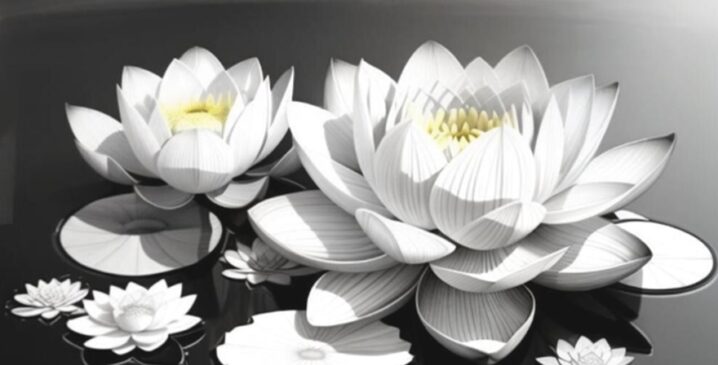
'No mud, no lotus,' taught Thich Nhat Hanh. The muck brings forth the flower, which sprouts, blooms, wilts and sheds its petals, which decompose into the water-soaked soil beneath, where the flower regenerates. Giving birth too involves a breaking – of waters. And, sang the bard, Leonard Cohen, 'There's a crack in everything, that's how the light gets in.' In the words of Etty Hillesum, 'we may suffer, but we must not succumb.' In the darkness we maintain the spark of life without bitterness and without hatred.


5 Replies to “War Journal”
The article was interesting and touching. Thank you
https://www.palestinechronicle.com/occupiers-and-occupied-pizzaballa-draws-moral-line-in-pastoral-letter-on-gaza-war/?fbclid=IwdGRjcAReR1tjbGNrBF5Gg2V4dG4DYWVtAjExAHNydGMGYXBwX2lkDDM1MDY4NTUzMTcyOAABHp4RoKEaXJwV8xlc6td_LJFAXnBjNhkSw3yTjRIKNV2S5NXO46FzeOGojRBj_aem_foacFywJ7YjHNKJ0asrYmA
Would that more prominent Buddhist s expressed such ethical clarity…
You are right, Marianne. Few prominent Buddhist voices have spoken out strongly against the monstrous genocide in Gaza. However, we must mention Bikkhu Bodhi in his courageous denunciation of the genocide.
While children’s lives continue to be taken with complete impunity every day, courageous people like Francesca Albanese are treated as terrorists. The West has gone mad in its immorality.
To speak of peace, we must first denounce the unjustifiable; we must distinguish between perpetrators and victims. It is essential to state clearly that complicity in the genocide in Gaza is killing democracy in the West.
Bringing the Brahmaviharas to (in alphabethical order) Iran, Israel, Palestine, Russia, Ukraine and USA to the Mullahs and their military gards, Netanyahu, his followers and his government, Putin, Trump and their blinded tools would be fine, really. But wouldn’t the basic condition to achieve this beneficial change be: giving up of personal or social selfidentification of a significant majority of humans with a unique belief, a special distinction, religion, descendance, status, history, language, habitudes etc. ? What an enormous, global task!
I find this article deeply problematic because of what is left unsaid. The words that go unspoken yet hover over the text—terms employed by international tribunals and recognized by any observer possessing even a shred of humanity—cannot be concealed behind a personal account of a wartime situation. Such ignominy cannot be hidden, for at its core, it is cowardice. And it is precisely that cowardice—that failure to confront an atrocious reality—that largely holds the Secular Buddhism, as an organized group, and its leading voices captive.